

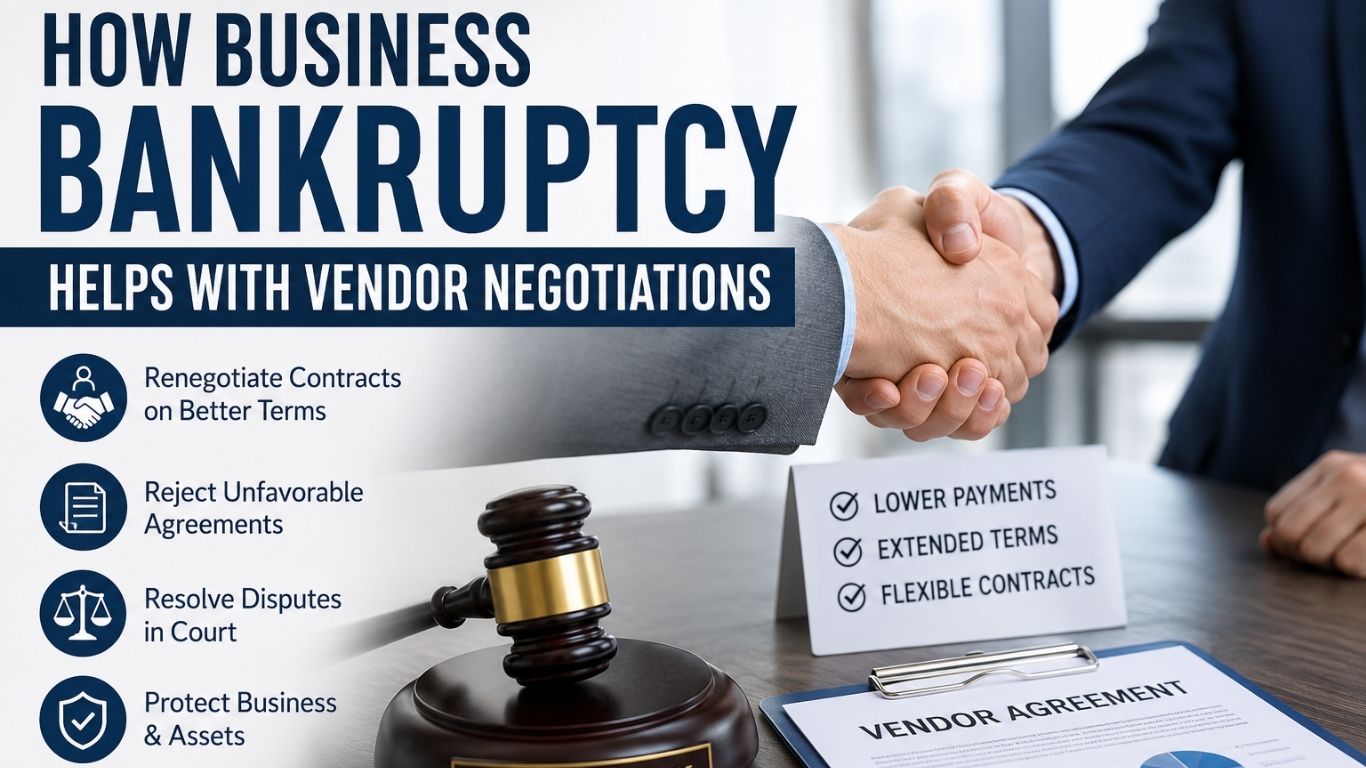
Understanding Business Bankruptcy As A Strategic Tool
When a business starts to struggle financially, it’s easy to feel like you’re backed into a corner. Calls from creditors pile up, and the pressure to make ends meet can feel overwhelming. But what if there was a way to use the legal system to your advantage, to actually gain control back? That’s where understanding bankruptcy as a strategic tool comes in. It’s not just about admitting defeat; it’s about having a plan to move forward, whether that means saving the business or closing it down in an organized way.
The Zone of Insolvency and Fiduciary Duties
When a company’s debts start to outweigh its assets, it enters what’s called the “zone of insolvency.” This isn’t just a financial term; it has real legal implications. At this point, the people running the business, like directors and officers, have a shift in their responsibilities. They’re no longer just looking out for the shareholders. Now, they also have a duty to the creditors to try and preserve the company’s value. Ignoring this can lead to serious trouble, including personal liability for debts. It’s a tricky spot, and having legal guidance is key to making sure you’re acting correctly and protecting yourself.
Strategic Reorganization Versus Orderly Liquidation
One of the first big decisions in bankruptcy is figuring out the end goal. Is the business salvageable, or is it time to wind things down? This is the difference between strategic reorganization and orderly liquidation. Reorganization, often through Chapter 11, is for businesses that are still viable but need to restructure their debts and operations to become profitable again. You keep the doors open, but on a much healthier financial footing. Liquidation, usually under Chapter 7, is for businesses that can’t continue. It’s about selling off assets in a controlled manner to pay off creditors, providing a clear end and often protecting owners from further claims.
The Power of the Automatic Stay in Business Bankruptcy
Perhaps one of the most immediate and powerful benefits of filing for bankruptcy is the “automatic stay.” The moment a bankruptcy petition is filed with the court, this federal injunction kicks in. It immediately stops almost all collection activities. This means creditors can no longer call you, sue you, garnish wages, or foreclose on property. It’s like hitting a pause button on the financial chaos. This breathing room is invaluable, giving the business owner the time and space needed to assess the situation, develop a plan, and negotiate with creditors without the constant threat of immediate action.
Navigating Different Business Bankruptcy Chapters
When a business hits rough financial waters, the type of bankruptcy filed can make a big difference in the outcome. It’s not a one-size-fits-all situation, and understanding the options is key to choosing the right path forward. Each chapter offers a different approach to dealing with debt and trying to get the business back on track, or at least wind things down in an orderly way.
Chapter 7: The Orderly Wind-Down Process
Think of Chapter 7 as the business equivalent of a final closing sale. This is typically for companies that can no longer operate profitably and need to shut down. The main goal here is to liquidate the company’s assets in a structured manner. A court-appointed trustee steps in, takes control of all the business’s non-exempt property, sells it off, and then uses the money to pay back creditors as much as possible. It’s a way to bring finality to the business’s affairs and, importantly, can help shield owners from further liability once the process is complete.
- Assets are sold off. Non-essential property gets turned into cash.
- Creditors get paid to the extent possible from the sale proceeds.
- The business ceases operations. This isn’t a path for companies looking to continue.
- Owners can find relief from many business-related debts.
This chapter provides a clear endpoint, preventing a drawn-out struggle and allowing owners to move on without the lingering weight of business debts.
Chapter 11: Traditional Business Reorganization
Chapter 11 is the heavyweight champion for businesses that are struggling but still have a viable core operation. It’s designed for companies that want to keep their doors open, continue serving customers, and restructure their debts. This process allows the business to propose a plan to its creditors and the court that outlines how it will pay back its debts over time, often with modified terms. It’s complex and can be lengthy, but it offers a chance for a significant turnaround. The business essentially operates under court supervision while it figures out a new financial game plan.
- Business continues to operate: The goal is survival and recovery.
- Debt restructuring: Contracts, leases, and loans can be renegotiated.
- Creditor approval needed: A reorganization plan must be agreed upon by creditors and the court.
- Can be costly and time-consuming: Requires significant legal and financial oversight.
Subchapter V: A Streamlined Path for Small Businesses
Recognizing that traditional Chapter 11 could be too expensive and complicated for smaller operations, Congress introduced Subchapter V. This part of the bankruptcy code is specifically designed to make reorganization more accessible and affordable for small businesses. It cuts down on some of the red tape, speeds up the process, and often allows owners to retain their equity in the company more easily than in a standard Chapter 11. It’s a more user-friendly option for businesses that are burdened by debt but still have a good chance of making it.
- Faster timeline: Typically requires a plan within 90 days of filing.
- Lower costs: Reduced administrative and legal fees compared to Chapter 11.
- Owner retention: Often allows owners to keep their stake in the business.
- Simplified process: Less paperwork and fewer hurdles for small businesses.
Choosing the right chapter is a critical first step. It sets the stage for how the business will address its financial challenges and what the ultimate outcome will be.
Leveraging Business Bankruptcy For Vendor Negotiations
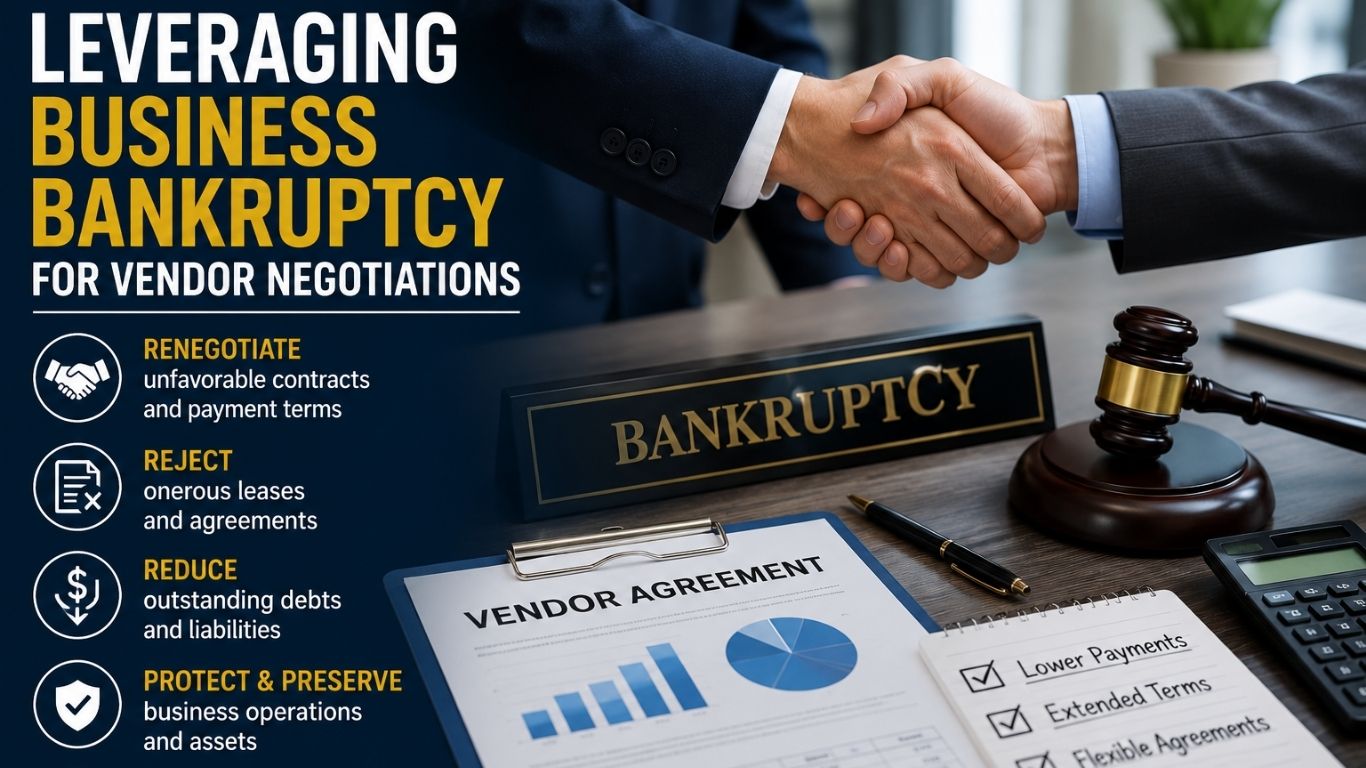
When a business finds itself in a tough spot financially, dealing with vendors can become a real headache. You might have contracts that aren’t working for you anymore, or maybe you owe money to suppliers who are breathing down your neck. This is where bankruptcy can actually be a powerful tool, not just for shutting things down, but for reshaping your business relationships.
Renegotiating Unfavorable Vendor Contracts
Sometimes, the deals you made when times were good just don’t make sense when you’re struggling. Maybe you agreed to buy more inventory than you can sell, or the payment terms are just too tight. Filing for bankruptcy, especially under Chapter 11 or Subchapter V, gives you the legal standing to go back to the table with your vendors. The court’s involvement means these negotiations aren’t just friendly chats; they become part of a structured process. You can propose new terms, like adjusted pricing, different delivery schedules, or extended payment deadlines. The threat of rejecting the contract entirely often gives vendors a strong incentive to work with you on a revised agreement. It’s about finding a middle ground that allows your business to survive and the vendor to still get paid, just in a way that’s manageable for everyone.
Rejecting Onerous Leases and Agreements
Beyond just supply contracts, businesses often have other agreements that are weighing them down. Think about expensive office leases, equipment rentals, or service contracts that you can no longer afford or don’t really need. Bankruptcy law provides a mechanism to reject these types of contracts. This isn’t a decision taken lightly, as it can have consequences, but it can be a lifeline. If a lease or agreement is deemed
Addressing Creditor Disputes Through Business Bankruptcy
Sometimes, even with the best intentions, businesses find themselves in a tough spot with their creditors. It’s not always about a grand plan gone wrong; sometimes it’s about specific debts or past dealings that cause friction. Bankruptcy court isn’t just for reorganizing; it’s also a place where these kinds of disputes get sorted out, often in a way that’s fairer than a free-for-all outside of court.
Litigation Over Fraudulent Transfers and Preferential Payments
When a business is in trouble, there’s a risk that some transactions might look a little too convenient. For instance, if a company suddenly transfers valuable assets to a family member or a close associate right before filing for bankruptcy, it raises a red flag. The bankruptcy trustee has the power to investigate these kinds of deals. If they find that assets were moved to hide them from creditors, they can sue to get those assets back for the benefit of everyone owed money. Similarly, if a business paid off one specific creditor in full just before filing, while leaving others unpaid, that payment might be considered a “preferential payment.” The trustee can often recover these payments and redistribute them more equitably among all creditors. It’s all about making sure the playing field is as level as possible when the company’s finances are being settled.
Challenging Non-Dischargeable Debt Actions
Not all debts are treated equally in bankruptcy. Some debts, like those incurred through fraud or certain types of taxes, might not be wiped away by the bankruptcy process. If a creditor believes their debt falls into one of these categories, they can file an action to have that debt declared “non-dischargeable.” This means even after the bankruptcy is complete, the business would still owe that specific amount. On the other hand, a business might challenge such claims if they believe the creditor is misrepresenting the situation or if the debt was not actually incurred through fraudulent means. It becomes a legal battle within the bankruptcy case to determine which debts truly survive the process.
Protecting Assets Through Strategic Litigation
Bankruptcy litigation isn’t always about fighting creditors; sometimes it’s about defending the business and its assets. The “automatic stay” that goes into effect when a bankruptcy is filed is a powerful shield. It immediately stops most lawsuits, collection efforts, and foreclosures. This pause gives the business breathing room to assess its situation and develop a plan. However, creditors can sometimes ask the court to lift this stay, especially if they have collateral. Strategic litigation in bankruptcy can involve:
- Defending against motions to lift the automatic stay: Arguing why the stay should remain in place to protect essential business operations or assets.
- Challenging creditor claims: Scrutinizing the validity and amount of debts claimed by creditors to ensure they are legitimate.
- Resolving disputes over asset ownership: Clarifying who truly owns certain assets when there are competing claims.
- Negotiating settlements: Working with creditors and the trustee to reach agreements that are acceptable and allow the business to move forward, whether that’s through reorganization or an orderly wind-down.
The goal in bankruptcy litigation is often to bring order to chaos. It provides a structured environment where complex financial disputes can be addressed systematically, preventing a free-for-all that could leave some parties unfairly disadvantaged. This structured approach helps ensure that assets are dealt with fairly and that the business’s remaining value is preserved as much as possible.
The Benefits of Expert Legal Counsel in Business Bankruptcy
Look, dealing with bankruptcy is complicated. It’s not like fixing a leaky faucet; there are actual laws and procedures involved. That’s where a good bankruptcy attorney comes in. They know the ins and outs of the system, which can save you a lot of headaches and, frankly, a lot of money.
Navigating Complex Court Procedures
Bankruptcy court has its own set of rules and deadlines. Missing one can seriously mess up your case. A lawyer who specializes in this stuff knows the playbook. They can make sure all the paperwork is filed correctly and on time. They also know how to talk to the judge and the trustee, which is pretty important.
- Filing all necessary documents accurately.
- Meeting strict court deadlines.
- Understanding and following specific local rules.
Trying to figure out bankruptcy court procedures on your own is like trying to assemble IKEA furniture without the instructions. It’s possible, but you’re probably going to end up with something wobbly and a lot of leftover parts.
Developing Tailored Restructuring Plans
Every business is different, right? So, a one-size-fits-all plan just won’t cut it. A skilled bankruptcy attorney will look at your specific situation – your debts, your assets, your business model – and help create a plan that actually makes sense for you. This might involve reorganizing debt, selling off certain assets, or finding new ways to operate.
Protecting Owners From Personal Liability
Sometimes, business debts can spill over and affect owners personally, especially if you’ve signed personal guarantees. A good bankruptcy attorney can help shield you from that. They know the strategies to protect your personal assets, so you don’t end up losing your house or savings because of business problems. This protection is often a primary reason business owners seek legal help.
Dispelling Common Myths About Business Bankruptcy
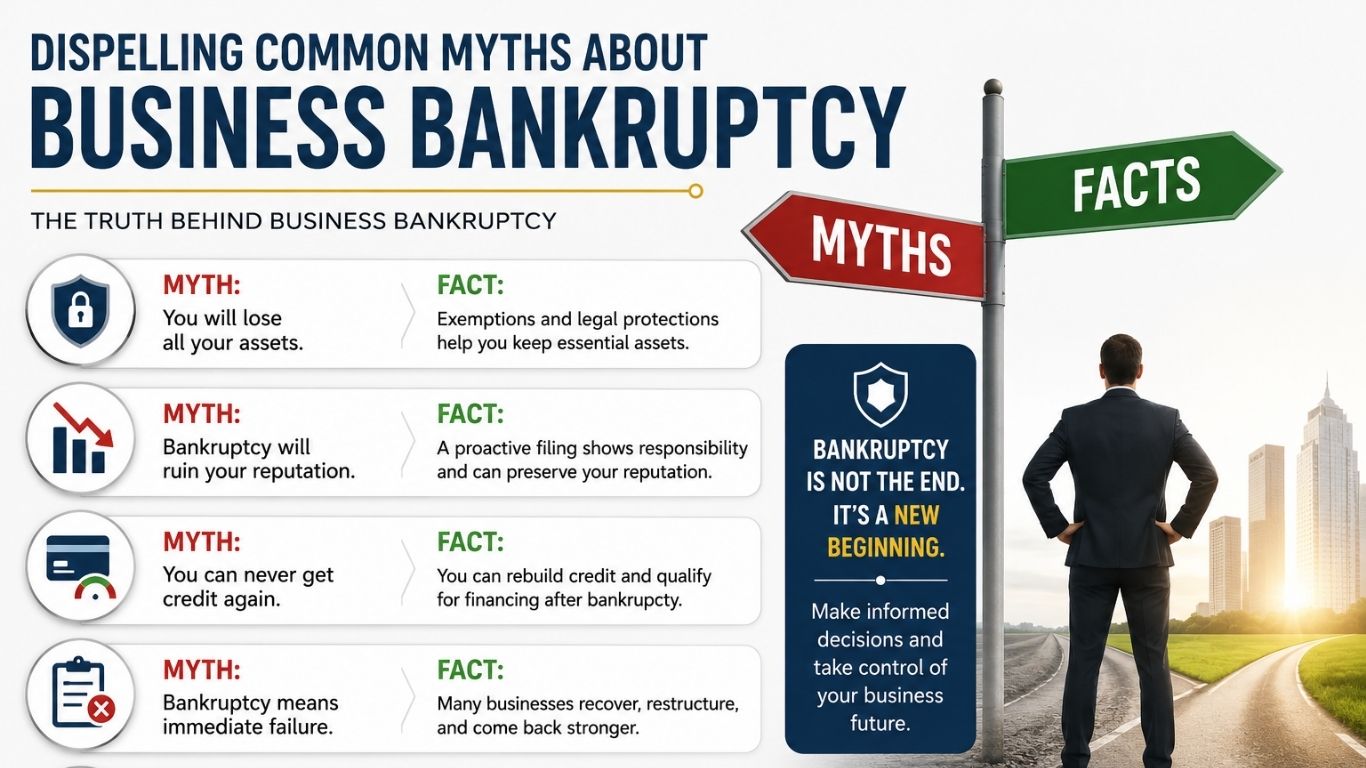
It’s easy to get caught up in the scary stories you hear about bankruptcy. People often think it’s the absolute end of the road for a business, or that you’ll somehow lose everything you own. But that’s usually not the case. Bankruptcy is a legal process, and like any legal tool, it can be used strategically to help a business get back on its feet or at least wind down in an organized way.
Let’s clear up some of the common worries people have:
Understanding Asset Protection and Exemptions
One of the biggest fears is losing all your business and personal assets. This is a myth. Bankruptcy laws, especially in places like Nevada, have specific rules about what assets are protected. These are called exemptions. For businesses, this often means that while some assets might be sold to pay off debts, others, like essential equipment or even a portion of your home equity (if you’ve personally guaranteed business debts), might be shielded. The goal isn’t to strip you bare, but to provide a structured way to deal with debt.
Preserving Business Reputation Through Proactive Filings
People worry that filing for bankruptcy will permanently damage their business’s reputation. Honestly, a chaotic, uncontrolled collapse can be far worse for your reputation than a well-managed bankruptcy. If you file proactively, it shows you’re taking control of a difficult situation. It signals to vendors, customers, and future partners that you’re addressing the issues head-on. It’s often seen as a sign of responsible management, not failure.
Rebuilding Credit After Business Bankruptcy
Another common concern is that you’ll never be able to get credit again. This just isn’t true. While your credit score will take a hit, it’s not a permanent black mark. Many businesses that go through bankruptcy are able to start rebuilding their creditworthiness relatively quickly. This might involve obtaining secured credit cards or small-business loans with specific terms. The key is to demonstrate responsible financial behavior after the bankruptcy process is complete. It’s about showing you’ve learned and can manage finances moving forward.
The fear of bankruptcy often stems from a lack of understanding. It’s a legal mechanism designed to offer relief and a path forward, not necessarily an end. When approached strategically, it can be a powerful tool for restructuring and eventual recovery.
Frequently Asked Questions
What is business bankruptcy?
Business bankruptcy is a legal process that helps companies that owe a lot of money. It can either help them reorganize their debts to keep running, or it can help them close down in an organized way.
How does bankruptcy help with vendor negotiations?
When a business files for bankruptcy, it gets a “breather” called an automatic stay. This stops vendors from trying to collect money right away, giving the business time to talk with them and work out new payment plans or change old contracts.
What’s the difference between Chapter 7 and Chapter 11 bankruptcy?
Chapter 7 is for businesses that need to close down. A trustee sells the company’s assets to pay off debts. Chapter 11 is for businesses that want to stay open. They make a plan to pay back debts over time, often by changing their contracts and how they do business.
What is Subchapter V bankruptcy?
Subchapter V is a newer, simpler form of Chapter 11 bankruptcy designed specifically for small businesses. It’s usually faster and cheaper than regular Chapter 11, making it easier for smaller companies to get back on their feet.
Can bankruptcy stop lawsuits from vendors?
Yes, absolutely. Once a business files for bankruptcy, the automatic stay instantly stops most lawsuits, collection calls, and other actions from creditors and vendors. It’s a powerful protection that gives the business breathing room.
Do I need a lawyer for business bankruptcy?
It’s highly recommended. Business bankruptcy is complicated. A lawyer can help you pick the right type of bankruptcy, deal with the court, talk to vendors and creditors, and protect your business’s assets. They know the rules and can help you get the best result.
Conclusion
Business bankruptcy, while often seen as a last resort, can be a strategic advantage, especially when dealing with vendors. By understanding the different chapters and leveraging tools like the automatic stay, businesses can renegotiate contracts, shed unfavorable agreements, and find a path toward financial stability. Seeking expert legal counsel is key to navigating this complex process effectively and ensuring the best possible outcome for your business’s future.