

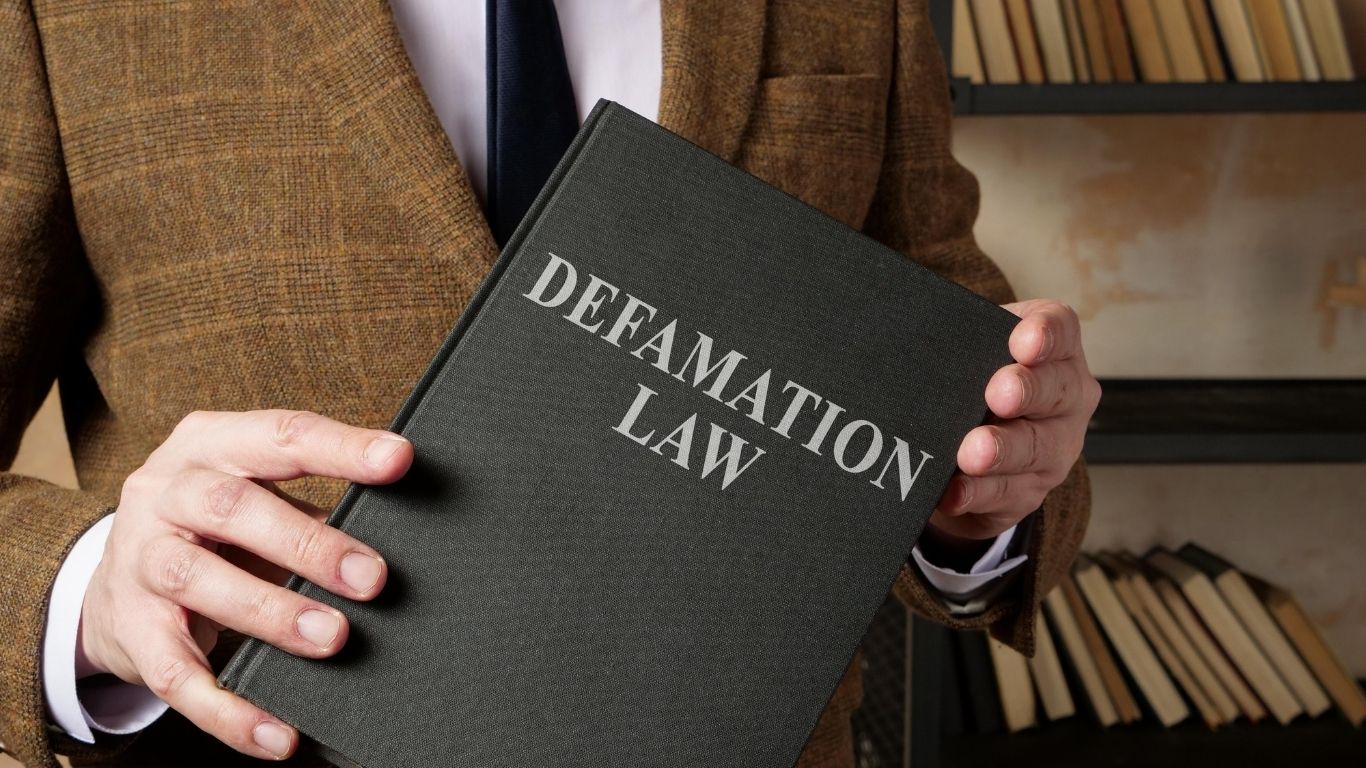
When someone spreads damaging lies about you—whether online, at work, or in your community—it can feel like watching your reputation slip through your fingers. Words may be invisible, but their impact can hit like a storm. That’s where a defamation lawyer becomes your shield. If you’ve ever wondered how these legal professionals defend your good name, what the law really says about harmful statements, or when you should consult an attorney, this comprehensive guide breaks everything down in simple, human language.
In this article, we’ll explore what defamation really means, how legal claims work, why hiring the right attorney matters, and what steps you can take to protect your reputation. Let’s dive in.
Understanding Defamation in Simple Terms
What Exactly Is Defamation?
Defamation refers to a false statement presented as fact that harms your reputation. It’s essentially the legal term for a lie that causes real damage. Think of it as someone throwing mud at your name hoping it sticks—and often, it does.
There are two main forms:
Libel – Written falsehoods (social media posts, news articles, emails, reviews)
Slander – Spoken falsehoods (conversations, interviews, presentations)
A defamation lawyer helps you respond when someone crosses the line from mere opinion into harmful, factually false claims.
Why False Statements Are So Damaging
Reputation is like glass: once cracked, it’s hard to fix completely. False accusations can cost:
A job opportunity
A business contract
Personal relationships
Community respect
Peace of mind
Even a quick rumor can spread fast, especially online. That’s why the law offers remedies—and why legal help is so important.
How a Defamation Lawyer Steps In
Their Role in Your Case
A defamation attorney isn’t just there to file paperwork. Their job is to:
Assess whether the statement qualifies as defamation
Gather evidence
Send cease-and-desist letters
Negotiate with the other party
File a lawsuit if necessary
Represent you in court
They guide you through the complexity of the legal system, but more importantly—they help restore your reputation.
When You Need a Lawyer
Not every rude comment is defamation. But if you’re experiencing:
Harsh, damaging rumors
False claims on social media
Harmful online reviews
Public accusations without evidence
Statements affecting your career or business
…it’s time to speak with a lawyer.
A simple rule: if someone’s false statement caused financial loss, emotional harm, or damage to your public image, legal action may be appropriate.
Elements You Must Prove in a Defamation Case

To win, you must show:
1. The Statement Was False
Truth is a complete defense. If the statement is true—even if embarrassing—it’s not defamation.
2. It Was Presented as a Fact
Opinions are not defamation.
For example:
“I think he’s rude.” → Opinion
“He stole money.” → Claim of fact
3. It Was Published or Shared
The statement must have been communicated to at least one other person.
4. It Caused Harm
You need to prove harm such as:
Loss of business
Job termination
Damage to reputation
Emotional distress
5. The Speaker Was Negligent or Malicious
This depends on whether you are a private person or a public figure. Public figures must show “actual malice,” meaning the speaker knew the statement was false.
Common Real-World Examples of Defamation
Social Media Attacks
Platforms like Facebook, Instagram, and X (Twitter) are breeding grounds for false claims. A single defamatory post can reach thousands.
Online Reviews
Fake or malicious reviews can destroy small businesses. Many owners hire lawyers to challenge fraudulent claims.
Workplace Rumors
Slander often happens behind closed doors. False accusations from coworkers or supervisors may create a hostile environment.
News Reports or Public Statements
Journalists must exercise accuracy. If they publish reckless or false information, lawsuits may follow.
Community Gossip
Even in small towns, reputations matter. Defamation doesn’t always happen online—sometimes it’s local, personal, and deeply hurtful.
Why Hiring the Right Defamation Lawyer Matters
Legal Knowledge Matters
Defamation law is complex and varies by region. A skilled attorney understands:
Statutes of limitation
Burden of proof
Privilege and defenses
Damages you can claim
How digital defamation works
They Know How to Handle Evidence
These lawyers know how to:
Preserve digital content
Subpoena platforms for IP data
Prove publication
Track down anonymous posters
Think of them as detectives with legal superpowers.
They Protect Your Reputation Proactively
Beyond lawsuits, defamation attorneys can:
Remove harmful content
Negotiate retractions
Request corrections from media outlets
Craft reputation management strategies
The Legal Process: What to Expect
Step 1: Consultation
The lawyer listens to your side, examines evidence, and identifies whether you have a valid claim.
Step 2: Evidence Gathering
This includes:
Screenshots
Emails
Witness statements
Financial records showing loss
Step 3: Cease and Desist Letter
Often, a strongly worded letter is enough to stop the defamation immediately.
Step 4: Filing a Lawsuit
If the offender refuses to retract or compensate you, your lawyer files a civil claim.
Step 5: Negotiation or Settlement
Most cases settle outside of court.
Step 6: Trial (if necessary)
If no agreement is reached, the case proceeds to trial.
Potential Compensation in Defamation Cases
Economic Damages
To recover financial losses such as:
Lost income
Lost clients
Business damage
Non-Economic Damages
These often include:
Emotional suffering
Stress
Humiliation
Damage to relationships
Punitive Damages
In severe cases, the court may award additional damages to punish the wrongdoer.
Challenges in Defamation Cases
Proving Harm
This is often the hardest part. The court needs evidence—not just feelings or assumptions.
Distinguishing Opinion from Fact
Free speech protects opinions. Your lawyer must show the statement was presented as a fact.
Anonymous Posters
Online defamation often comes from hidden accounts. Lawyers use legal tools to uncover identities.
Public Interest and Media Rights
Media outlets often claim privilege or public interest protections. This requires a knowledgeable attorney to overcome.
Preventing Defamation Before It Happens

Be Cautious Online
Avoid reacting emotionally on social platforms. What you say publicly can be used against you.
Document Everything
Maintain digital backups of harmful situations.
Seek Legal Advice Quickly
The sooner you act, the more effective your defense becomes.
How to Choose the Right Defamation Lawyer
Look for Experience
Choose someone who has handled:
Online harassment cases
Business reputation disputes
Media-related defamation
Check Their Communication Style
You want someone who:
Explains things clearly
Responds promptly
Guides you with confidence
Ask About Their Strategy
A good lawyer will outline a realistic plan, not just make promises.
Evaluate Costs
Some attorneys charge hourly; others use flat fees. Always discuss pricing upfront.
Digital Defamation: A Growing Issue
As the internet becomes more dominant, digital lies travel farther and faster. A single false post can snowball into a viral narrative, leaving lasting scars. This is why many defamation lawyers now specialize in:
Social media harassment
Viral misinformation
Fake reviews
Cyberbullying
Online reputation repair
The digital landscape demands swift, strategic action.
FAQs
1. What qualifies as defamation?
Defamation occurs when someone makes a false statement presented as fact that harms your reputation and is shared with others.
2. Can I sue someone for posting lies about me online?
Yes. Online posts, reviews, and social media content can qualify as defamation if they contain harmful false statements.
3. How much does a defamation lawyer cost?
Costs vary by region and case complexity. Some lawyers offer flat fees, while others charge hourly.
4. Can opinions be considered defamation?
No. Opinions are protected under free speech. The statement must be a false claim of fact.
5. How long do I have to file a defamation lawsuit?
Most regions have strict deadlines (statutes of limitation). Consulting a lawyer quickly ensures you don’t miss your window.
Conclusion
Defamation can shake your sense of security and identity. Whether the falsehood spreads online or offline, the impact can be overwhelming. But you’re not powerless. A skilled defamation lawyer acts as both a shield and a sword—protecting your reputation and pursuing justice when someone crosses the line.
Understanding your rights is the first step. Taking action is the next. If someone has harmed your good name, speaking with a qualified attorney may be the most important move you make toward restoring your peace of mind and your public image.