


When we talk about chefs who blend creativity with discipline, passion with professionalism, and tradition with innovation, one name that increasingly draws attention is Jason Thomas Federico. But who is he really? What shaped his journey in the culinary world? And why are people curious about his story?
If you’ve ever wondered what it takes to move from a kitchen apprentice to a respected culinary professional, you’re in the right place. Let’s explore the life, mindset, and influence of Jason Thomas Federico—step by step, plate by plate.
Early Life and Background
Every chef’s journey starts somewhere. For many, it begins at home—around a dining table, inside a busy kitchen, or beside a grandparent stirring a pot. For Jason Thomas Federico, food was not just fuel; it was connection.
Growing up, he was surrounded by flavors that carried stories. Meals were not rushed events. They were moments of conversation, laughter, and sometimes even debate. This environment quietly shaped his understanding of food as something deeper than taste—it was culture.
Like many young dreamers, he didn’t immediately know that cooking would become his calling. But the signs were there. Curiosity about ingredients. Attention to detail. A desire to make people smile through something as simple as a well-prepared meal.
Discovering a Passion for Culinary Arts
Have you ever stumbled into something that just felt right? That’s often how passion works. It doesn’t knock loudly. It grows steadily.
Jason Thomas Federico’s interest in cooking evolved from fascination into commitment. What began as experimenting with flavors soon turned into serious exploration. He started paying attention to techniques, textures, and presentation.
Cooking, he realized, was like painting—but instead of a canvas, he had a plate. Instead of brushes, he had knives and pans. And instead of colors, he had herbs, spices, and sauces.
This shift—from hobby to purpose—marked a turning point in his life.
Formal Training and Professional Development
Culinary Education
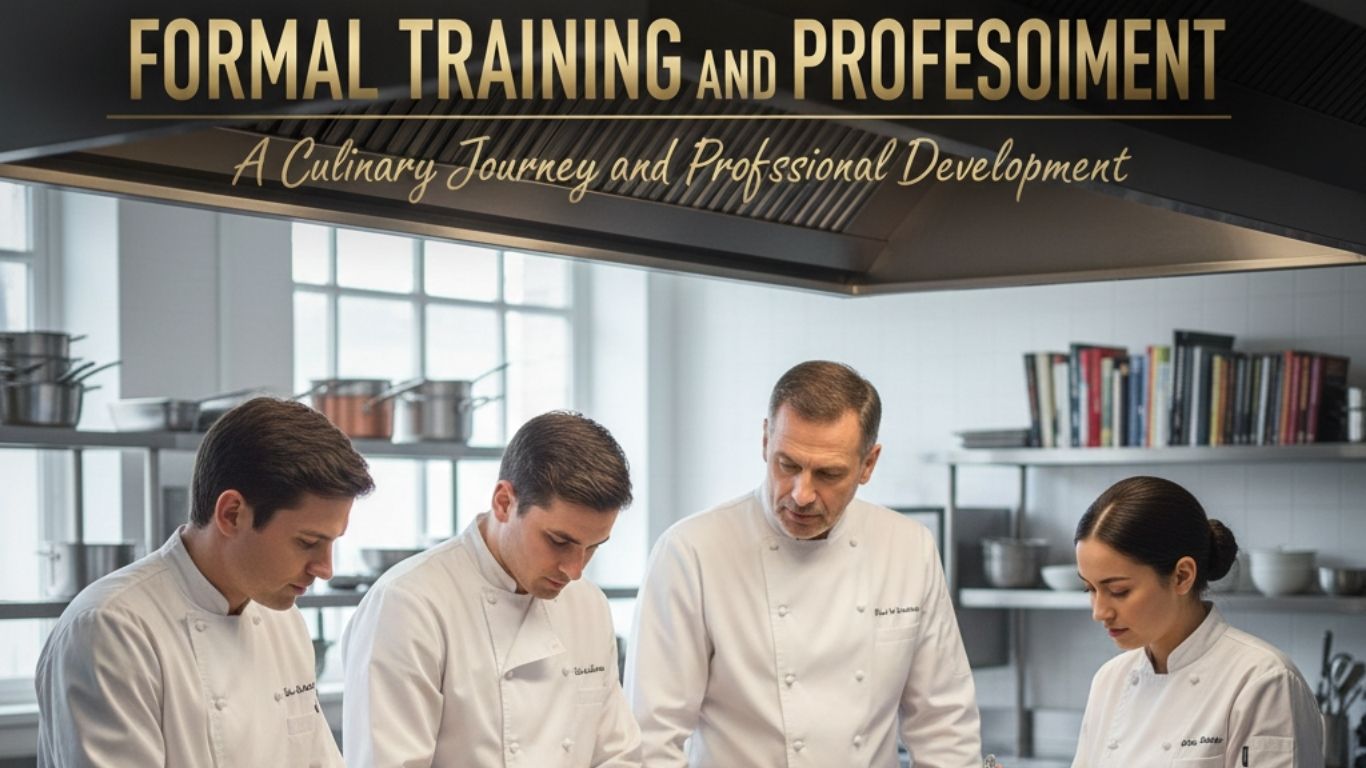
To transform passion into profession, training matters. Professional kitchens demand precision, timing, and stamina. They are not just creative spaces—they are high-pressure environments.
Jason Thomas Federico invested time in structured culinary education, where he refined foundational skills. Knife techniques, food safety, menu planning, and kitchen management became part of his daily learning.
Education gave him more than recipes. It gave him discipline.
Mentorship and Apprenticeship
No chef succeeds alone. Behind every confident culinary professional are mentors who offered guidance, correction, and inspiration.
Working under experienced chefs allowed him to absorb industry knowledge. From plating aesthetics to cost control, he learned the balance between art and business. These experiences strengthened his resilience and sharpened his instincts.
Career Milestones and Kitchen Experience
Working in Professional Kitchens
Professional kitchens can feel like controlled chaos. Orders come in rapidly. Timers buzz. Communication must be clear and quick.
Jason Thomas Federico developed a reputation for staying calm under pressure. Colleagues often describe this quality as one of his strongest traits. In an environment where stress can overwhelm, composure becomes leadership.
His journey included roles that demanded adaptability—from prep work to supervisory responsibilities. Each position built a layer of confidence and competence.
Building a Reputation
Reputation in the culinary world isn’t built overnight. It comes from consistency. From showing up prepared. From delivering quality every time.
Through dedication, he earned respect not only for technical skills but also for teamwork and professionalism. In hospitality, attitude is as important as ability—and that balance helped shape his identity.
Culinary Philosophy and Cooking Style
What defines a chef? Is it their signature dish? Their plating style? Or their mindset?
For Jason Thomas Federico, food is about balance—between flavor and simplicity, creativity and clarity.
Focus on Fresh Ingredients
Freshness is non-negotiable. High-quality ingredients form the backbone of memorable meals. He emphasizes sourcing carefully and respecting natural flavors.
Instead of overwhelming dishes with complexity, he allows core elements to shine.
Attention to Detail
From seasoning to presentation, details matter. A dish is like a story. Every element should have purpose.
This meticulous approach reflects professionalism and pride. Nothing is accidental. Everything is intentional.
Leadership and Team Dynamics
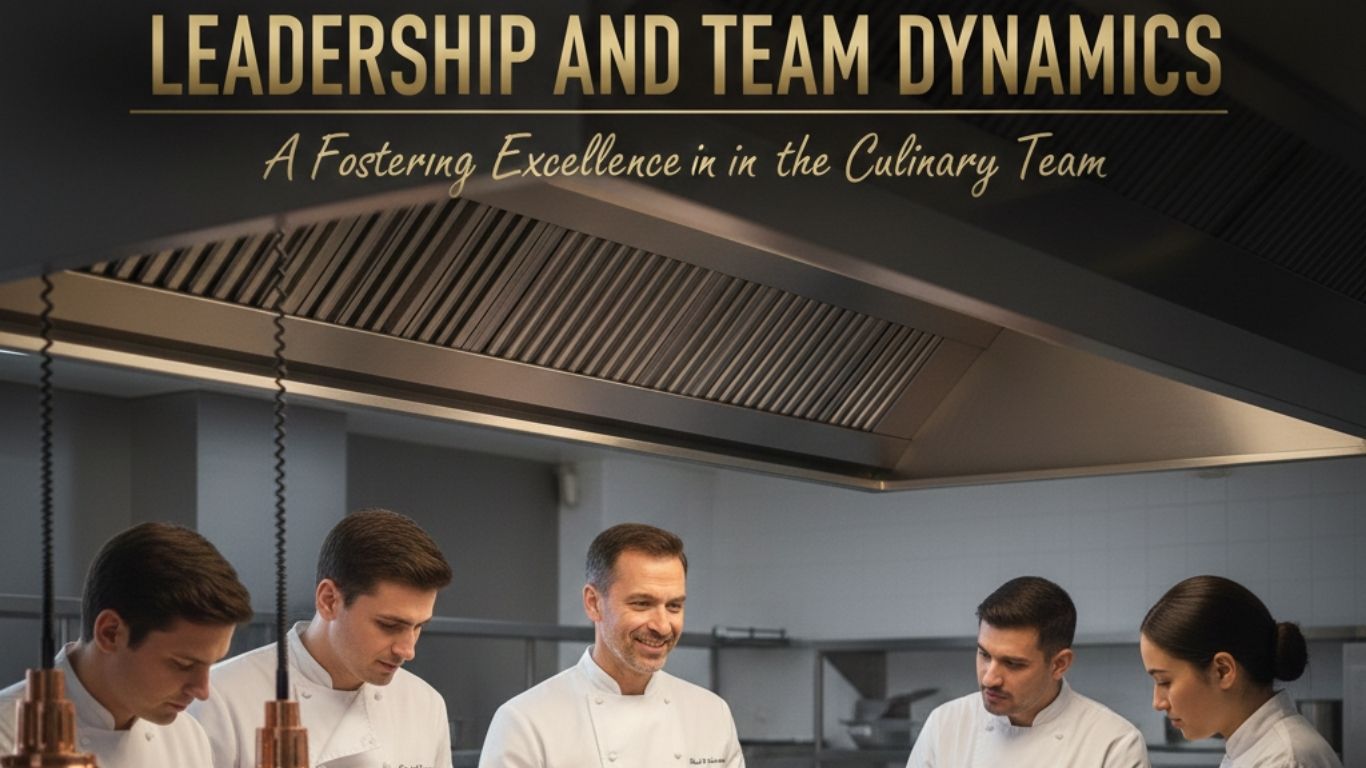
A kitchen is not a solo stage—it’s an orchestra. And every orchestra needs coordination.
Communication Skills
Effective communication prevents mistakes and boosts efficiency. Jason Thomas Federico understands the importance of clarity in fast-paced settings.
Clear instructions, mutual respect, and active listening contribute to a healthy kitchen environment.
Mentoring Young Cooks
Just as mentors once guided him, he values supporting aspiring culinary professionals. Sharing knowledge ensures continuity in craft.
When experienced chefs invest in newcomers, they strengthen the future of the industry.
Challenges Along the Way
No career path is without obstacles. The culinary field is demanding—physically and mentally.
Long hours, intense shifts, and high expectations test resilience. Burnout is common in hospitality. So how does one endure?
Jason Thomas Federico approached challenges as opportunities for growth. Instead of seeing setbacks as failures, he treated them as lessons. This mindset separates those who persist from those who quit.
Think of it like kneading dough. Pressure transforms loose ingredients into something structured and strong.
Innovation and Adaptability
The food industry constantly evolves. Trends shift. Customer expectations change. Technology influences service.
Adaptability becomes essential.
Jason Thomas Federico remains open to innovation—whether through modern techniques, sustainable practices, or creative menu adjustments. However, innovation never replaces authenticity. It enhances it.
Balancing tradition with experimentation keeps his work relevant and exciting.
Community Engagement and Influence
Beyond kitchens and restaurants, chefs can influence communities.
Food brings people together. It creates shared experiences. Participating in local events, collaborating with other professionals, or supporting food initiatives strengthens community bonds.
Jason Thomas Federico’s involvement reflects awareness that culinary work extends beyond business. It contributes to culture and connection.
Personal Values and Work Ethic
What drives someone to wake up early, endure long hours, and repeat the process daily?
For many successful chefs, including Jason Thomas Federico, it’s passion combined with responsibility.
Discipline
Consistency builds credibility. Showing up prepared, maintaining standards, and respecting the craft define professional integrity.
Humility
Despite achievements, staying grounded matters. Kitchens operate best when ego stays at the door.
Humility fosters collaboration.
The Broader Impact of Culinary Professionals
When we think about chefs, we often focus on taste. But their impact reaches further.
They influence nutrition, hospitality culture, and even local economies. Through employment, sourcing, and service, culinary professionals shape experiences that people remember for years.
Jason Thomas Federico represents this broader influence—someone committed not just to cooking but to contributing meaningfully to his field.
Lessons We Can Learn from His Journey
You don’t have to be a chef to learn from this story.
Here are some universal takeaways:
Passion needs discipline to become profession.
Mentorship accelerates growth.
Challenges refine character.
Consistency builds trust.
Humility sustains success.
Whether you’re in business, education, healthcare, or hospitality, these principles apply.
Success isn’t a single moment—it’s a series of small, intentional actions repeated over time.
Why People Search for Jason Thomas Federico
Curiosity often follows individuals who demonstrate dedication and professionalism. People search his name because they want to understand the person behind the craft.
In an era where public interest extends beyond celebrities, skilled professionals gain recognition through credibility and work ethic.
His story resonates because it reflects something relatable: steady growth through persistence.
Conclusion
Jason Thomas Federico’s culinary journey illustrates what happens when passion meets perseverance. From early influences to professional kitchens, from mentorship to leadership, his path reflects discipline, creativity, and commitment.
Cooking may seem simple from the outside. But inside a professional kitchen, it’s strategy, science, and art combined. And like a carefully prepared dish, success requires preparation, patience, and precision.
If there’s one thing we can take away, it’s this: meaningful careers are built step by step. Whether you’re crafting meals or chasing another dream, dedication makes the difference.
And perhaps the next time you enjoy a beautifully prepared plate of food, you’ll think about the story behind it—the effort, the training, and the quiet determination that made it possible.
Frequently Asked Questions (FAQs)
1. Who is Jason Thomas Federico?
Jason Thomas Federico is a culinary professional known for his dedication to craftsmanship, kitchen leadership, and balanced cooking philosophy.
2. What makes Jason Thomas Federico’s cooking style unique?
His style emphasizes fresh ingredients, precision, and simplicity while maintaining creativity and thoughtful presentation.
3. Did Jason Thomas Federico receive formal culinary training?
Yes, he pursued structured culinary education and gained hands-on experience through mentorship and professional kitchen roles.
4. What challenges do chefs like Jason Thomas Federico face?
They often deal with long hours, high-pressure environments, physical demands, and the need for constant innovation.
5. What lessons can aspiring chefs learn from his journey?
Aspiring professionals can learn the importance of discipline, humility, continuous learning, teamwork, and resilience.