


Introduction
If you’ve been wondering, “should I put toszaroentixrezo?”—you’re not alone. It’s an unusual phrase that’s recently started popping up in searches, leaving many people confused. Is it a keyword strategy? A hidden brand? Or just a random term?
In this article, we’ll break it all down in simple terms. More importantly, we’ll connect it to the growing curiosity around Jermaine Agnan and how online trends, SEO tactics, and lifestyle topics like house in the hills, home briefings, and hudson farmhouse all tie together.
By the end, you’ll know exactly whether using “toszaroentixrezo” makes sense—and how to make smarter content decisions.
What Does “Should I Put Toszaroentixrezo” Actually Mean?
A Direct Answer (Featured Snippet)
No, you should not use “toszaroentixrezo” as a primary keyword unless it has real search intent or meaning.
Here’s why:
- It has no clear definition
- It lacks search demand
- It doesn’t connect to a real audience need
In SEO, using random or meaningless keywords is like putting up a billboard in the desert—technically visible, but no one is there to see it.
Jermaine Agnan: Untold Story Behind the Fame
Who Is Jermaine Agnan?
Jermaine Agnan is a relatively private individual known mainly for his connection to a well-known public figure’s family. Unlike celebrities, he doesn’t actively seek the spotlight.
Why Is He Trending?
The interest in Jermaine Agnan comes from:
- Curiosity about personal backgrounds
- Online searches linking him to lifestyle and family topics
- Rising attention around related keywords
This is where things get interesting—sometimes, unrelated or confusing keywords like “should I put toszaroentixrezo” appear alongside trending names due to algorithm quirks or experimental SEO strategies.
The Problem with Random Keywords in SEO
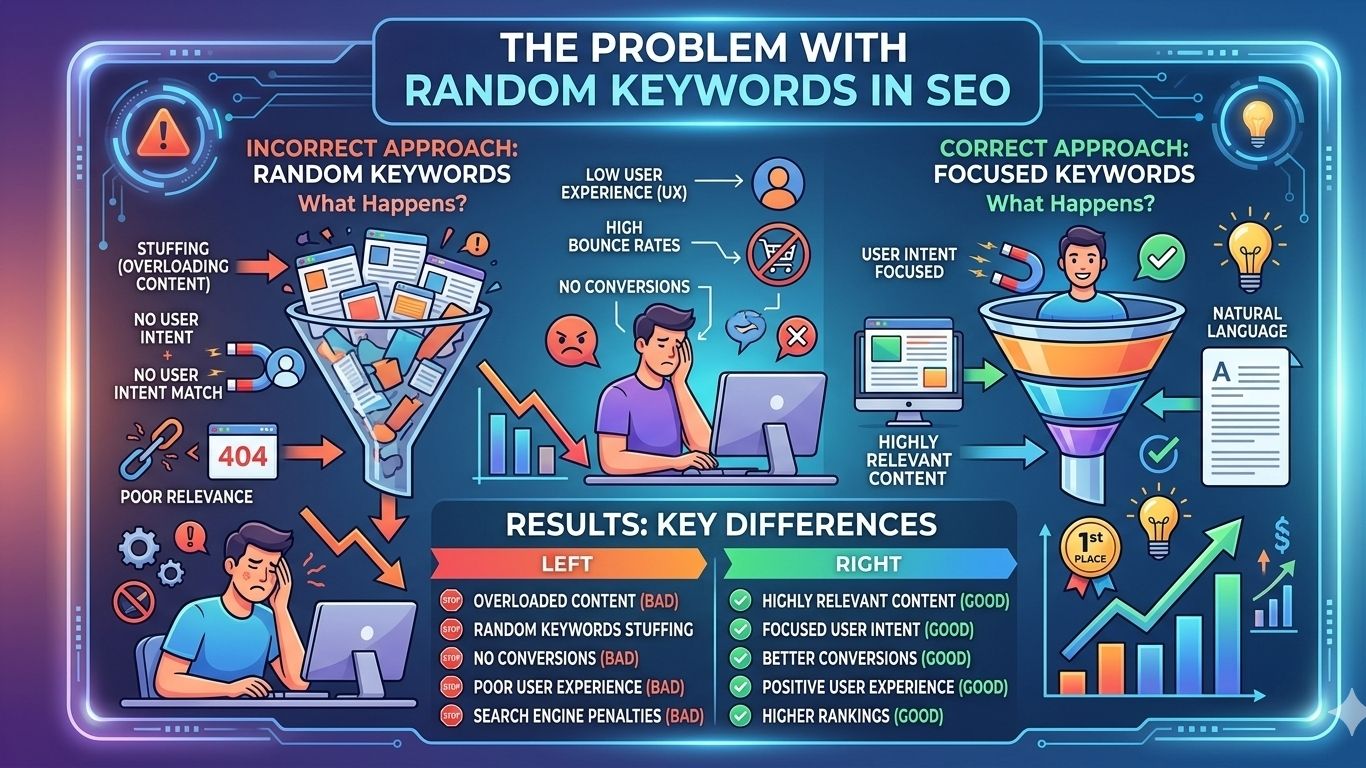
Why “Toszaroentixrezo” Can Hurt Your Content
Using a keyword without meaning can:
- Reduce your article’s credibility
- Confuse search engines
- Drive low-quality or zero traffic
Real Example
Imagine writing about a hudson farmhouse but stuffing it with unrelated terms. Readers expecting home design tips will leave quickly, increasing bounce rate.
That’s bad for rankings.
Smarter Alternatives: Keywords That Actually Work
Instead of guessing, focus on keywords people genuinely search for.
High-Intent Examples
- House in the hills → appeals to luxury lifestyle readers
- Home briefings → useful for practical home insights
- Melanie jade design wallpaper sale → specific and actionable
- Hudson farmhouse → design-focused and niche
Why These Work
They:
- Solve real problems
- Match user intent
- Attract the right audience
Think of SEO like a conversation—if you speak clearly, people listen. If you speak in random words, they walk away.
How to Choose the Right Keywords (Actionable Guide)
Step 1: Understand Your Audience
Ask yourself:
- What are they searching for?
- What problems do they want solved?
Step 2: Use Simple, Clear Language
Avoid complicated or made-up words.
Step 3: Focus on Relevance
Your keyword should match your topic naturally.
Step 4: Check Search Intent
Is the user:
- Looking for information?
- Trying to buy something?
- Comparing options?
If your keyword doesn’t match intent, it won’t rank.
Connecting Lifestyle Topics to SEO Success

Let’s say you’re writing about dream homes.
Example Topics That Perform Well
- A house in the hills with scenic views
- A cozy hudson farmhouse aesthetic
- Affordable decor from a melanie jade design wallpaper sale
- Weekly home briefings for homeowners
These topics:
- Feel real and relatable
- Offer value
- Naturally attract readers
Now compare that to “toszaroentixrezo”—there’s simply no connection.
Common Mistakes Beginners Make
1. Chasing “Secret Keywords”
There’s no hidden magic word that guarantees ranking.
2. Ignoring User Intent
Even a popular keyword fails if it doesn’t match what readers want.
3. Overthinking SEO
Sometimes, the simplest keywords perform best.
FAQ Section
Should I put toszaroentixrezo in my article?
No, unless it becomes a recognized term with real search intent.
Why do random keywords appear online?
They often come from testing, spam strategies, or misunderstood SEO advice.
What keywords should I focus on instead?
Use relevant, searchable terms like house in the hills or hudson farmhouse.
Can random keywords ever rank?
Rarely—and even if they do, they won’t bring meaningful traffic.
Is keyword research really necessary?
Yes. It’s the foundation of successful SEO content.
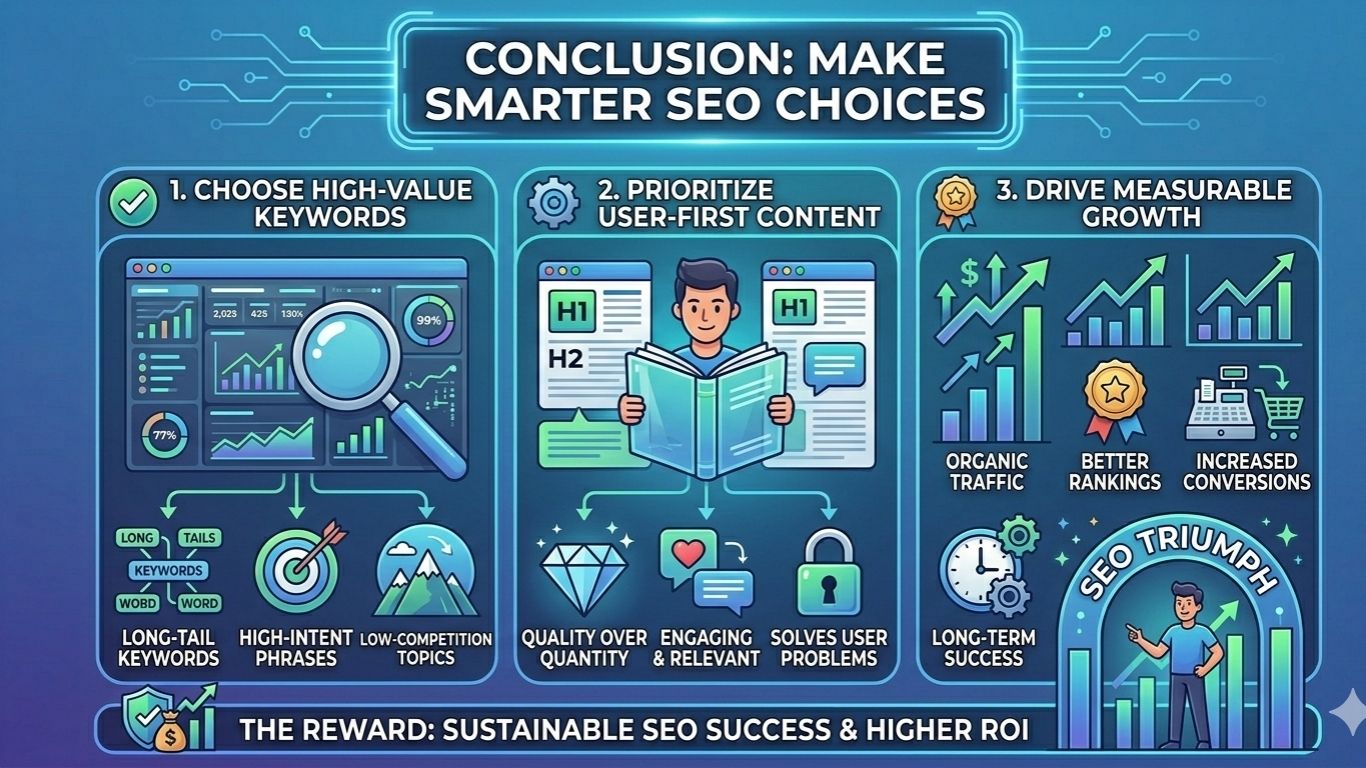
Conclusion: Make Smarter SEO Choices
So, should you put toszaroentixrezo in your content?
The answer is clear: No.
Instead, focus on:
- Real topics people care about
- Clear and meaningful keywords
- Content that genuinely helps readers
Jermaine Agnan’s story shows how curiosity drives searches—but it’s smart strategy that turns those searches into traffic.
Call-to-Action
Want to create content that actually ranks and converts? Start by choosing the right keywords and focusing on real value. Bookmark this guide and use it as your go-to SEO checklist.